
Bathroom Bidet | Bidet Toilets | Bidet Toilet Seats
Bathroom Bidet: The Complete Guide to Bidet Toilets and Bidet Toilet Seats
The bathroom bidet has quietly evolved from a niche European fixture into one of the most sought-after bathroom upgrades worldwide. Whether you are building a new bathroom from scratch or looking for a simple way to improve your daily hygiene routine, a bidet toilet or bidet toilet seat can transform the way you think about personal cleanliness. This comprehensive guide walks you through everything you need to know about bidets, from the different types available to the features that matter most, so you can make a confident and informed decision.
What Is a Bathroom Bidet and Why Does It Matter?
A bathroom bidet is a plumbing fixture designed to clean your body with a gentle stream of water after using the toilet. The concept has been around for centuries, originating as a standalone basin that sat beside the toilet. Today, the bidet has been reimagined in several modern forms, including integrated bidet toilets and attachable bidet toilet seats that fit directly onto your existing toilet bowl.
Types of Bidets: Understanding Your Options
Before diving into specific features, it helps to understand the main categories of bidet products on the market. Each type serves the same fundamental purpose but differs in terms of installation complexity, feature sets, and how much bathroom space they require.
Standalone Bidets
The traditional standalone bidet is a separate fixture that looks similar to a low sink or basin. It is installed next to the toilet and requires its own plumbing connections for both hot and cold water, as well as a dedicated drain. Standalone bidets offer a classic, elegant look and are still popular in many parts of the world. However, they do require significant bathroom floor space and a more involved installation process, which makes them less practical for smaller bathrooms or quick renovation projects.
Bidet Toilets (Integrated Bidet Systems)
A bidet toilet, sometimes called an integrated bidet or smart toilet, combines the toilet and bidet into a single unit. These all-in-one fixtures replace your existing toilet entirely and offer a seamless, streamlined appearance. Bidet toilets typically come loaded with advanced features such as heated seats, warm water wash, adjustable water pressure, air drying, automatic flushing, and even self-cleaning nozzles. They represent the premium end of the bidet market and are ideal for anyone seeking the most complete and technologically advanced bathroom experience available.
Bidet Toilet Seats
A bidet toilet seat is a replacement seat that fits onto your current toilet bowl, instantly adding bidet functionality without the need to replace the entire fixture. These seats connect to your existing water supply and an electrical outlet (for heated models) and can typically be installed in under an hour with basic tools. Bidet toilet seats are hugely popular because they offer many of the same features found in full bidet toilets, including warm water wash, heated seating, adjustable nozzle position, and air drying, at a fraction of the complexity. They are an excellent option for renters, homeowners on a budget, or anyone who wants bidet benefits without a full bathroom remodel.
Handheld Bidet Sprayers
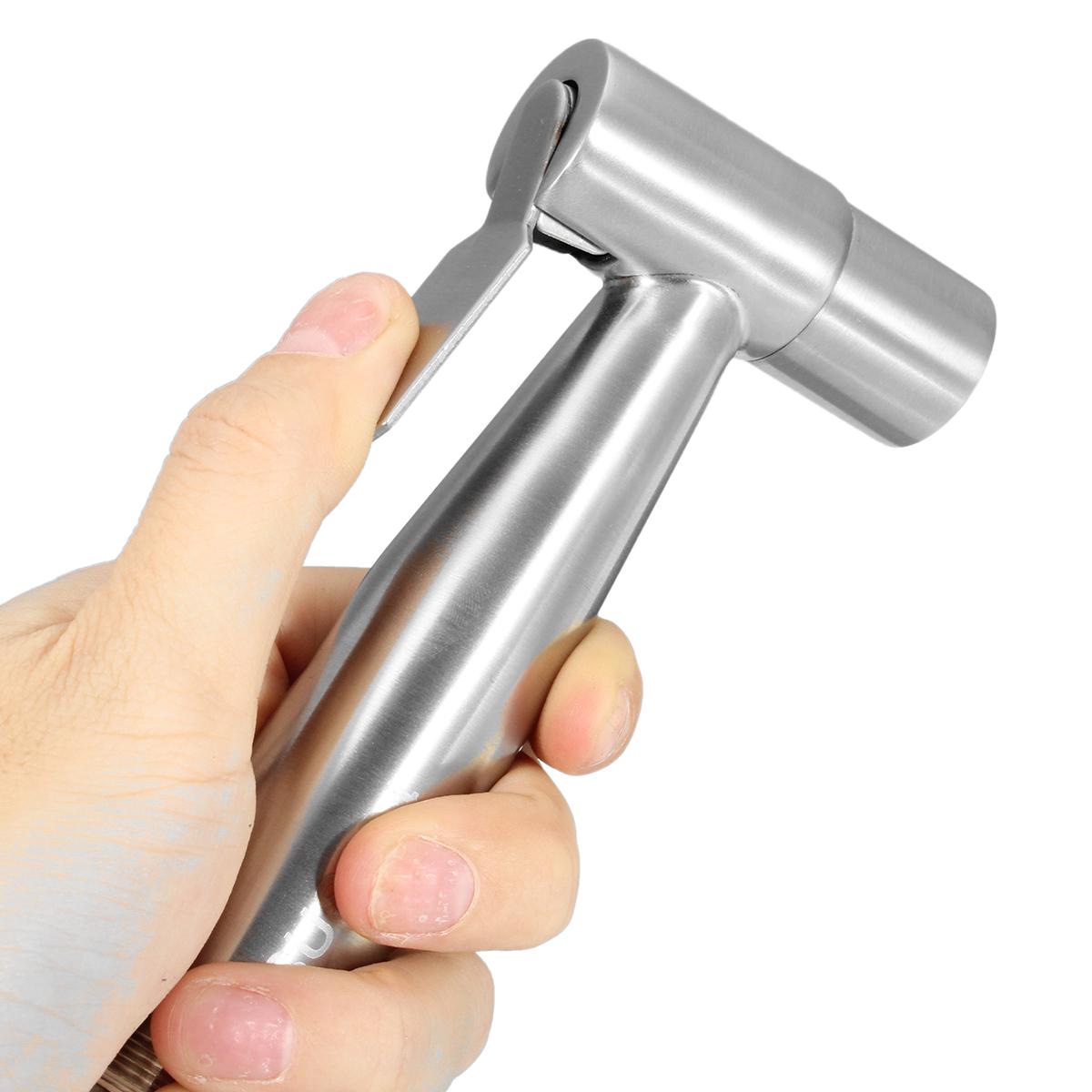
Also known as a bidet shower or shattaf, a handheld bidet sprayer attaches to your toilet's water supply line and features a spray head on a flexible hose. You control the water flow and direction manually. Handheld sprayers are the simplest and most affordable way to add bidet functionality to any bathroom. While they lack the automated features of electric bidet seats and integrated toilets, they are effective, easy to install, and popular with people who prefer full manual control over the cleaning process.
Non-Electric Bidet Attachments
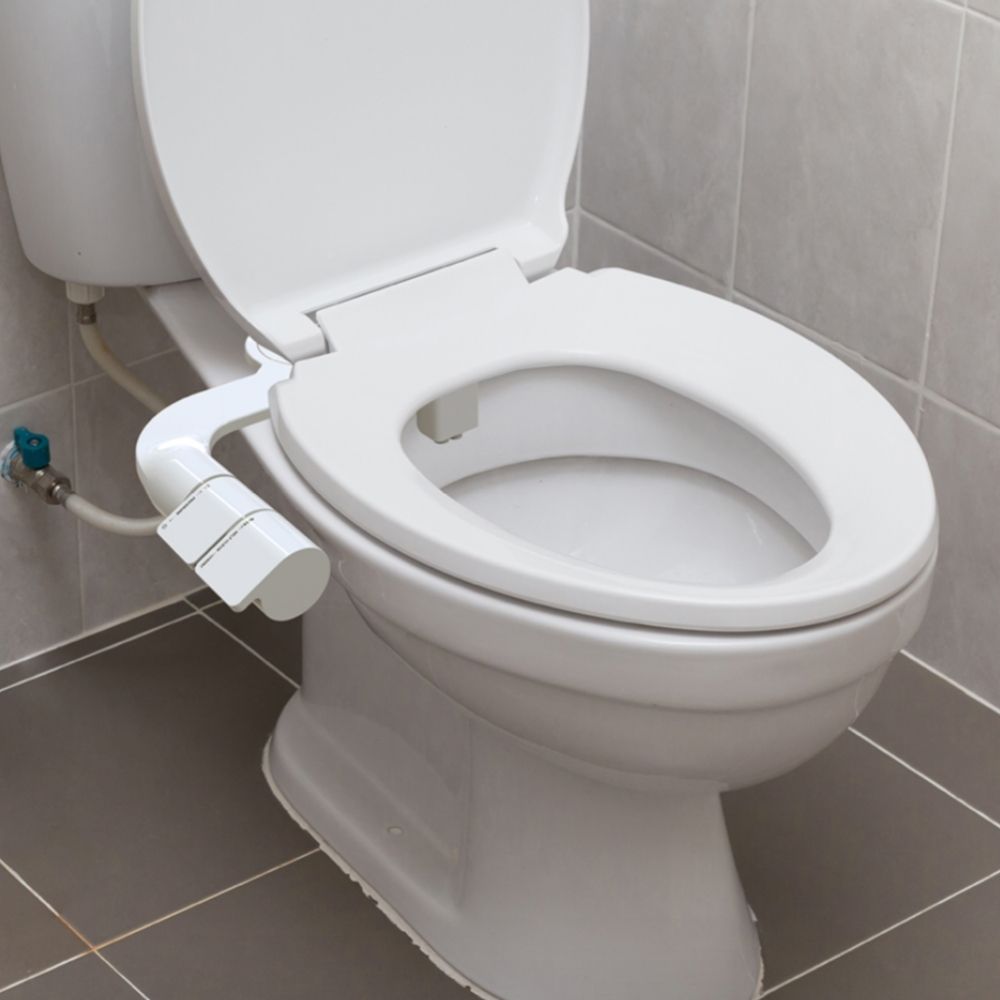
A non-electric bidet attachment is a slim device that mounts between your existing toilet seat and the bowl. It connects directly to the cold water supply (some models also connect to the hot water valve under the sink) and provides a basic but effective water spray controlled by a dial or lever on the side. These attachments do not require electricity, which makes them suitable for bathrooms without a nearby outlet. They are a practical middle ground between a handheld sprayer and a full electric bidet seat.
Key Features to Look for in a Bidet Toilet or Bidet Seat
The range of features available in modern bidet products can be impressive and, at times, overwhelming. Here is a breakdown of the most important features to consider when evaluating your options.
Adjustable Water Temperature
One of the most valued features in any bidet is the ability to control water temperature. Electric bidet toilet seats and integrated bidet toilets typically include a built-in water heater that delivers a warm, comfortable stream on demand. Some models use a tank-style heater that stores a reservoir of preheated water, while others use an instant or tankless heating system that provides continuous warm water without running out. Tankless systems are generally preferred because they offer unlimited warm water and tend to be more energy efficient over time.
Water Pressure and Spray Pattern Control
The ability to adjust water pressure is essential for a comfortable experience. Most quality bidet seats and bidet toilets offer multiple pressure settings, from a gentle wash suitable for sensitive areas to a stronger stream for a more thorough clean. Many models also offer oscillating or pulsating spray patterns, which move the nozzle back and forth or vary the water pressure rhythmically to provide wider coverage and a more effective wash.
Heated Seat
A heated toilet seat might sound like a luxury, but once you experience it, especially on a cold morning, it quickly becomes something you will not want to live without. Most electric bidet toilet seats include adjustable seat warming with multiple temperature settings. Some models also include an energy-saving mode that reduces or turns off the seat heater during hours when the bathroom is unlikely to be in use.
Warm Air Dryer
Many bidet toilet seats and bidet toilets include a built-in warm air dryer that reduces or eliminates the need for toilet paper after washing. The dryer typically offers adjustable temperature settings and activates with the press of a button or through a remote control. While the drying process takes a bit longer than reaching for paper, it contributes to a more sustainable routine and a gentler experience for sensitive skin.
Nozzle Position and Self-Cleaning Technology
The wash nozzle is the heart of any bidet system, so its quality and hygiene matter. Look for models that offer adjustable nozzle position so you can fine-tune the spray location for your body. Many bidet seats and toilets feature dual nozzles: one for the rear wash and a separate one positioned for a front feminine wash. Self-cleaning nozzles are also a must-have feature. These nozzles automatically rinse themselves with clean water before and after each use, and some models use antimicrobial materials or UV sterilization to further reduce bacterial buildup.
Deodorizer
Some higher-end bidet toilet seats and integrated bidet toilets include a built-in deodorizer, typically a small fan that pulls air through an activated carbon filter to neutralize bathroom odors at the source. This is a subtle but genuinely useful feature, especially in shared bathrooms or powder rooms where ventilation may be limited.
Night Light
An LED night light built into the toilet bowl may seem like a small detail, but it is a surprisingly practical feature. A soft glow illuminates the bowl during nighttime visits, eliminating the need to turn on harsh overhead lights that can disrupt your sleep cycle. Many models offer multiple color options or a gentle color-cycling mode.
Remote Control vs. Side Panel Controls
Health and Hygiene Benefits of Using a Bidet
The hygiene advantages of bidets are well documented and go far beyond simple comfort. Understanding these benefits can help explain why bidets are increasingly recommended by healthcare providers and wellness experts.
Superior Cleanliness
Water is fundamentally more effective at removing bacteria and residue than dry paper. Think of it this way: if you got mud on your hands, you would wash them with water rather than simply wiping with a dry cloth. The same logic applies to personal hygiene after using the toilet. A bidet provides a thorough, gentle clean that leaves you feeling genuinely fresh, not just wiped.
Environmental Benefits of Switching to a Bidet
Beyond personal health, bidets offer meaningful environmental advantages that are worth considering as part of a more sustainable household.
Dramatic Reduction in Toilet Paper Use
The average household goes through a staggering amount of toilet paper each year. Manufacturing toilet paper requires significant quantities of water, energy, and trees. By switching to a bidet, most families can reduce their toilet paper consumption by 75% or more. Some bidet users, particularly those with models that include a warm air dryer, find they can eliminate toilet paper use almost entirely. Over time, this adds up to a substantial reduction in household waste and resource consumption.
Lower Water Footprint Than You Might Think
A common concern about bidets is that they use too much water. In reality, a typical bidet wash uses roughly half a liter of water per use. Compare that to the estimated 140 liters of water required to manufacture a single roll of toilet paper, and the water savings become clear. When you factor in the reduced need for toilet paper production, a bidet actually results in a significant net reduction in water usage over time.
Less Plumbing Strain
Excessive toilet paper use is one of the leading causes of clogged pipes and sewer backups in residential plumbing systems. By reducing the amount of paper going down the drain, a bidet helps protect your plumbing, reduces the likelihood of costly blockages, and places less strain on municipal sewage treatment systems.
How to Choose the Right Bidet for Your Bathroom
Selecting the best bidet for your situation depends on several practical factors. Taking the time to consider these will help you avoid common mistakes and ensure you end up with a product that fits your bathroom and your lifestyle.
Assess Your Bathroom Layout and Space
Start by evaluating how much space you have to work with. If your bathroom is compact, a standalone bidet is probably not realistic. A bidet toilet seat or non-electric attachment will be the most practical option since they use your existing toilet footprint. If you are doing a full bathroom renovation and have the floor space, an integrated bidet toilet offers the most complete experience with the cleanest visual profile.
Check Your Toilet Compatibility
If you are considering a bidet toilet seat, you need to confirm that it is compatible with your toilet. Most bidet seats are designed for standard two-piece toilets with a round or elongated bowl shape. Measure the bolt-to-bolt distance on your existing seat (the distance between the two mounting holes at the back of the bowl) and note whether your bowl is round or elongated. One-piece toilets with certain tank designs, wall-hung toilets, and non-standard bowl shapes may have limited compatibility with aftermarket bidet seats, so always check the specifications before purchasing.
Electrical Access
Electric bidet toilet seats require a nearby electrical outlet, typically a grounded GFCI outlet within reach of the seat's power cord. If your bathroom does not have an outlet near the toilet, you may need to have one installed by a qualified electrician. Alternatively, you can opt for a non-electric bidet attachment or handheld sprayer, which require no electrical connection at all.
Water Supply Considerations
Most bidet seats and attachments connect to the existing cold water supply valve behind your toilet using a T-connector included with the product. Installation is straightforward and typically requires no special plumbing skills. If you want a non-electric model with warm water capability, you may need to run a separate hot water line from the nearest sink, which adds some installation complexity.
Think About Who Will Use It
Consider the needs of everyone in the household. If children will be using the bidet, look for models with a child mode or gentle wash setting. If elderly family members or those with limited dexterity will be using it, a wireless remote control and intuitive interface will be important. Some bidet seats offer multiple user profiles, allowing each person to save their preferred settings for water temperature, pressure, nozzle position, and seat temperature.
Installation: What to Expect
One of the most common questions about bidets is how difficult they are to install. The answer depends on which type you choose.
Bidet Toilet Seat Installation
Installing a bidet toilet seat is one of the simplest bathroom upgrades you can do yourself. The process generally involves removing your existing toilet seat, mounting the bidet seat's bracket plate onto the toilet bowl, connecting the water supply using the included T-adapter, plugging the seat into a GFCI outlet, and snapping the bidet seat onto the bracket. Most people complete the entire installation in 30 to 60 minutes with no specialized tools beyond an adjustable wrench and a screwdriver.
Integrated Bidet Toilet Installation
Replacing your entire toilet with an integrated bidet toilet is a bigger project. It involves removing your old toilet, potentially adjusting the floor flange or water supply connections, setting the new bidet toilet in place, connecting it to the water and electrical supply, and sealing everything properly. While a handy homeowner can manage this, many people prefer to hire a professional plumber to ensure everything is connected correctly and to handle any unexpected issues with existing plumbing.
Non-Electric Attachments and Handheld Sprayers
These are the easiest to install. Non-electric attachments mount between the seat and bowl and connect to the water supply in minutes. Handheld sprayers connect to the toilet's fill valve with a T-adapter and mount to the wall or toilet tank with a simple bracket. No electrical work is required, and the entire process typically takes less than 15 minutes.
Maintenance and Cleaning Tips
Bidets are designed to be low-maintenance, but a little regular care will keep them performing at their best and looking clean for years.
Nozzle Care
Self-cleaning nozzles handle much of their own maintenance, but it is a good idea to periodically remove the nozzle (if your model allows) and give it a gentle wipe with a soft cloth and mild bathroom cleaner. Avoid using abrasive cleaners or harsh chemicals that could damage the nozzle surface or any antimicrobial coating. Some models include a dedicated nozzle cleaning function that can be activated manually for a more thorough rinse.
Seat and Body Cleaning
Clean the bidet seat and exterior surfaces with a soft damp cloth and mild soap or a gentle all-purpose cleaner. Avoid bleach-based products, abrasive pads, or strong solvents, as these can damage the seat finish, control panels, or sensor components. Many bidet seats feature a quick-release mechanism that allows you to easily detach the seat from the mounting plate for thorough cleaning of the area underneath.
Filter Replacement
Some bidet toilet seats include a water filter and/or a deodorizer filter. Check the manufacturer's recommendations for replacement intervals, which typically range from every six months to once a year depending on usage. Keeping filters fresh ensures consistent water quality and effective odor control.
Common Myths and Misconceptions About Bidets
Despite growing popularity, several myths about bidets persist. Clearing up these misconceptions can help you make a more informed decision.
Myth: Bidets Are Unsanitary
This is perhaps the most common misconception. In reality, bidets are significantly more hygienic than toilet paper alone. The water wash removes bacteria more effectively than wiping, and modern bidet nozzles feature self-cleaning and antimicrobial technology to ensure they remain sanitary between uses.
Myth: Bidets Are Complicated to Use
Modern bidet toilet seats and bidet toilets are designed with user-friendliness in mind. Basic operation involves pressing a single button to start the wash and another to stop or activate the dryer. Most people become comfortable with their bidet within the first day or two of use. Remote controls and intuitive panel layouts make the experience straightforward for users of all ages.
Myth: Bidets Waste Water
As discussed earlier, the amount of water used per bidet wash is minimal, and the overall water savings from reduced toilet paper production far outweigh the small amount of water used during each wash cycle. Bidets are, on balance, a more water-efficient choice for personal hygiene.
Myth: Bidets Are Only for Women
Bidets benefit everyone regardless of gender. The rear wash function provides superior hygiene for all users, and many men who try a bidet for the first time are surprised at how much cleaner and more comfortable they feel. Bidets are a universal hygiene upgrade, not a gender-specific product.
The Future of the Bathroom Bidet
As awareness of both the hygiene and environmental benefits of bidets continues to grow, adoption rates are climbing steadily in markets that were previously unfamiliar with bidet culture. The bathroom bidet is no longer a novelty or a luxury item. It is rapidly becoming a standard expectation for anyone who values cleanliness, comfort, and sustainability in their daily routine.
Making the Switch: Your Next Steps
If you have been considering adding a bidet to your bathroom, there has never been a better time to make the move. Start by determining which type of bidet best suits your bathroom layout, your technical comfort level with installation, and the features that matter most to you and your household. Whether you choose a full integrated bidet toilet for a complete bathroom upgrade or a bidet toilet seat that can be installed on your existing fixture in under an hour, you are making a choice that benefits your health, your comfort, and the environment.
Take the time to research reputable brands, read verified customer reviews, and compare feature sets carefully. Pay close attention to warranty coverage, customer support availability, and the ease of obtaining replacement parts and filters. A quality bidet is a long-term investment in your daily comfort and wellbeing, and the right choice will serve you reliably for many years to come.
The bathroom bidet has earned its place as one of the most practical and rewarding upgrades you can make to your home. Once you experience the difference that a bidet toilet or bidet toilet seat makes in your daily hygiene routine, you will wonder how you ever managed without one.
A bidet (pronounced buh-day) is a basin used for cleaning yourself after using the bathroom. Bidets are common in Europe, Asia, and South America, so if you’ve ever traveled internationally, you’ve probably seen one.
If you’ve ever wondered about the proper way to use a bidet, now is a great time to learn, as they’re becoming increasingly popular..
Types of bidets
Bidets come in more forms than ever, which is part of why they’re becoming more popular. With various bidet models in demand in modern bathrooms everywhere, you can never really predict where you might encounter a handheld or built-in bidet.
Travel Bidet
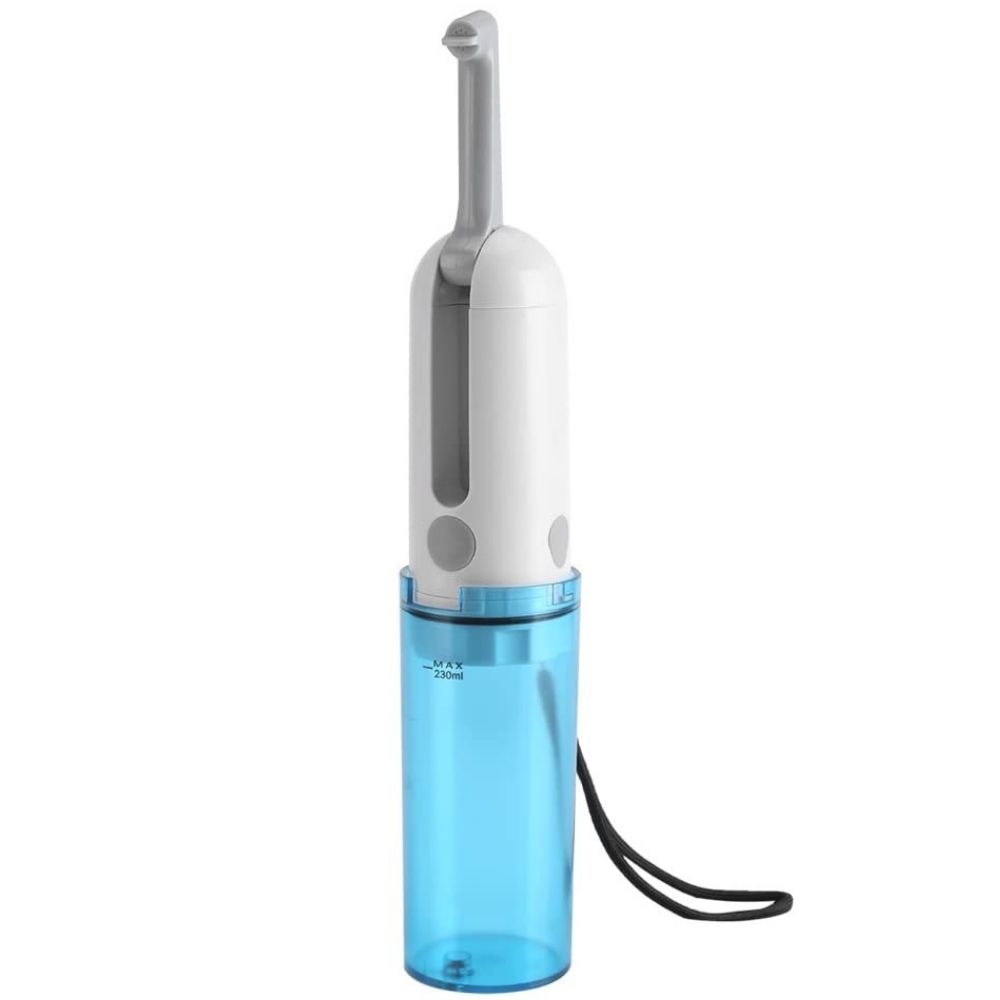
The travel bidet fits conveniently in your briefcase, purse, suitcase or glove box for an instant bidet wash anywhere, anytime. The discreet carrying bag and easy-store nozzle make it a perfect solution for every travel situation. Simply fill with cool or warm water, screw on the cap, point the ergonomic nozzle in the correct direction, and press the button to get a cleansing posterior or feminine bidet wash when you need it. Take it with you on vacation, to work or whenever you leave home. A travel bidet allows you to stay clean - wherever you go.
Non-Electric Bidet Attachment
When in use, the toilet bidet attachment for toilet has a control dial which allows for adjustable water pressure, making it not only an absolutely pleasant experience but also an ideal addition to the life of anyone with mobility restrictions. All that is needed is for you to choose your ideal water pressure and cleaning mode.
Freestanding bidet
This is the traditional type of bidet. Freestanding bidets are placed next to the regular toilet, and they look like a large, low sink. Freestanding bidets are sometimes filled with water that rises to the surface of the bowl, and they may be equipped with jets.
Handheld bidet
A handheld bidet, also called a bidet shower or bidet sprayer, is a nozzle that stays attached to the toilet. This type of bidet is manually placed near your private area to clean your genitals and anus after using the toilet, sexual intercourse, or for freshening up. With a handheld bidet, you control the positioning of the stream of water.
Built-in bidet
A built-in bidet is a toilet equipped with a bidet feature. After flushing a toilet with a built-in bidet, the toilet may automatically dispense a vertical stream of water to cleanse you.
Warm water bidet
A warm water bidet can be built-in, free-standing, or a sprayer attachment. A warm water bidet is simply hooked up to the hot water pipe system or has a built-in water warmer which provides a warmer spritz to your bottom when you use it.
How to use a bidet
If you see a bidet “out in the wild,” make a plan for how you’re going to use it before you make an attempt. Try turning the spray nozzle on or flushing the built-in bidet, so you can see where the stream of water will come from and how powerful the water pressure will be.
Tips for use
Check out the bidet before you try to use it. Figure out where the jets of water are going to come from so you’re prepared.
When you first use a bidet, clean off with toilet paper first before attempting the bidet spray.
You don’t need to use soap to use a bidet. Some people do use the bidet like a mini-shower after a bowel movement, sexual intercourse, or for freshening up, but it isn’t a requirement.
Make sure that any clothing items (like underwear, pants, and tunic-style shirts) are out of the way before turning on the bidet jets.
You may notice a towel hanging within arm’s reach of your bidet. Be forewarned that this is for drying off your hands, never your rear.
For best results with a bidet attachment, make sure you remember to shut off the T-valve after every use, with no exceptions. Forgetting to turn it off could result in a leaky attachment.
If you have a vulva, be sure to direct the water front-to-back to avoid getting bacteria into your vulva.
Cautions
Bidets can be a great alternative to toilet paper, but that doesn’t mean that there are no drawbacks or risks associated with using them. Bidets are decidedly not for everyone, and if you have a weakened immune system, you might want to wait a bit before trying one out.
Electric warm water bidets also carry a general risk of bacterial contamination, according to a 2017 studyTrusted Source done in hospitals.
The bottom line
Bidets may take some getting used to, but many people like them so much that they decide to make a permanent switch.
If you want to try using a bidet, take a good look around at the equipment and make sure you’re prepared for the jets.
Frequently asked questions
Are bidet toilets suitable for all ages?
Bidet toilets are easy to use and adaptable, making them suitable for both younger and older users.
Can a bathroom bidet simplify hygiene routines?
A bathroom bidet makes cleaning quick and easy, helping simplify your routine while improving results.
Do bidet toilet seats help maintain consistent hygiene?
Bidet toilet seats encourage regular cleansing, helping maintain consistent hygiene standards every day.
How does a bidet toilet compare with wiping?
A bidet toilet uses water rather than dry paper, so residue is rinsed away instead of wiped. Most people describe the result as feeling cleaner, and it uses less paper.
Can a bathroom bidet improve confidence daily?
A bathroom bidet ensures thorough cleaning, helping you feel fresh and confident throughout the day.
Do bidet toilet seats help reduce waste at home?
Bidet toilet seats significantly cut down paper use, helping households reduce waste and adopt eco-friendly habits.
Are bidet toilets suitable for sensitive hygiene needs?
Bidet toilets offer a gentle cleanse, making them ideal for individuals needing extra care and comfort.
Can a bathroom bidet help maintain cleanliness after exercise?
A bathroom bidet provides a quick rinse that restores freshness and hygiene after physical activity.
Do bidet toilet seats support modern living standards?
Bidet toilet seats align with modern expectations of hygiene, offering a cleaner, more advanced alternative to traditional methods.
Are bidet toilets widely used around the world?
Bidet toilets are common across Europe and Asia, where water-based hygiene is the standard for cleanliness.
Can a bathroom bidet enhance personal comfort?
A bathroom bidet delivers a refreshing cleanse that leaves you feeling comfortable and confident after every use.
Do bidet toilet seats make hygiene more efficient?
Bidet toilet seats streamline your routine with quick, effective cleaning, saving time while improving results.
Are bidet toilets hygienic for families?
Bidet toilets provide fresh water cleansing for every use, making them a safe and hygienic choice for households.
Can a bathroom bidet help reduce irritation from wiping?
A bathroom bidet replaces the rubbing of dry paper with water, so there is less friction involved in getting clean.
Do bidet toilet seats promote better wellbeing?
Bidet toilet seats support hygiene and comfort, contributing to overall wellbeing by reducing irritation and improving cleanliness.
Are bidet toilets comfortable for frequent use?
Bidet toilets offer a gentle cleansing experience that enhances comfort, especially for those who use the bathroom more often.
Can a bathroom bidet improve bathroom cleanliness overall?
A bathroom bidet reduces mess and residue, contributing to a cleaner bathroom environment with less reliance on paper waste.
Do bidet toilet seats help reduce odour?
Bidet toilet seats remove residue more effectively, helping minimise odour and leaving you feeling cleaner and more refreshed.
Are bidet toilets suitable for everyday use?
Bidet toilets are designed for daily comfort, offering quick, reliable cleansing that integrates seamlessly into regular routines.
Can a bathroom bidet support better hygiene habits?
A bathroom bidet encourages consistent, thorough cleaning, helping build improved daily hygiene routines with minimal effort.
Do bidet toilet seats provide a better clean than wipes?
Bidet toilet seats outperform wipes by using clean water instead of chemicals, avoiding plumbing issues while delivering a more effective cleanse.
Are bidet toilets environmentally friendly?
Bidet toilets reduce reliance on paper products, lowering deforestation and waste. This makes them a more sustainable solution for eco-conscious households.
Can a bathroom bidet improve freshness throughout the day?
A bathroom bidet ensures a more thorough cleanse, helping you stay fresher for longer and more confident during daily activities.
Do bidet toilet seats help sensitive skin?
Bidet toilet seats use a soft water stream that minimises irritation, making them ideal for those with sensitive skin or discomfort from repeated wiping.
Are bidet toilets better for personal hygiene?
Bidet toilets provide a deeper clean using water, which is more effective than wiping. This helps reduce bacteria and supports better personal hygiene habits.
Can a bathroom bidet help reduce toilet paper use?
A bathroom bidet can cut paper usage by 60 to 80%, helping households reduce waste and save resources while enjoying a more effective and hygienic clean.
How do bidet toilet seats improve daily comfort?
Bidet toilet seats offer a gentle, refreshing cleanse that enhances comfort, especially for frequent use. They help reduce friction and leave you feeling cleaner compared to traditional dry methods.
Why are bidet toilets becoming more popular?
Bidet toilets are more popular because they clean with water rather than paper, they cut how much paper a household gets through, and modern attachments fit an existing toilet without a plumber.
What makes a bathroom bidet a modern hygiene upgrade?
A bathroom bidet delivers a water-based cleanse that removes more residue than paper alone. It supports improved hygiene, reduces irritation, and aligns with modern cleanliness standards adopted by millions worldwide.